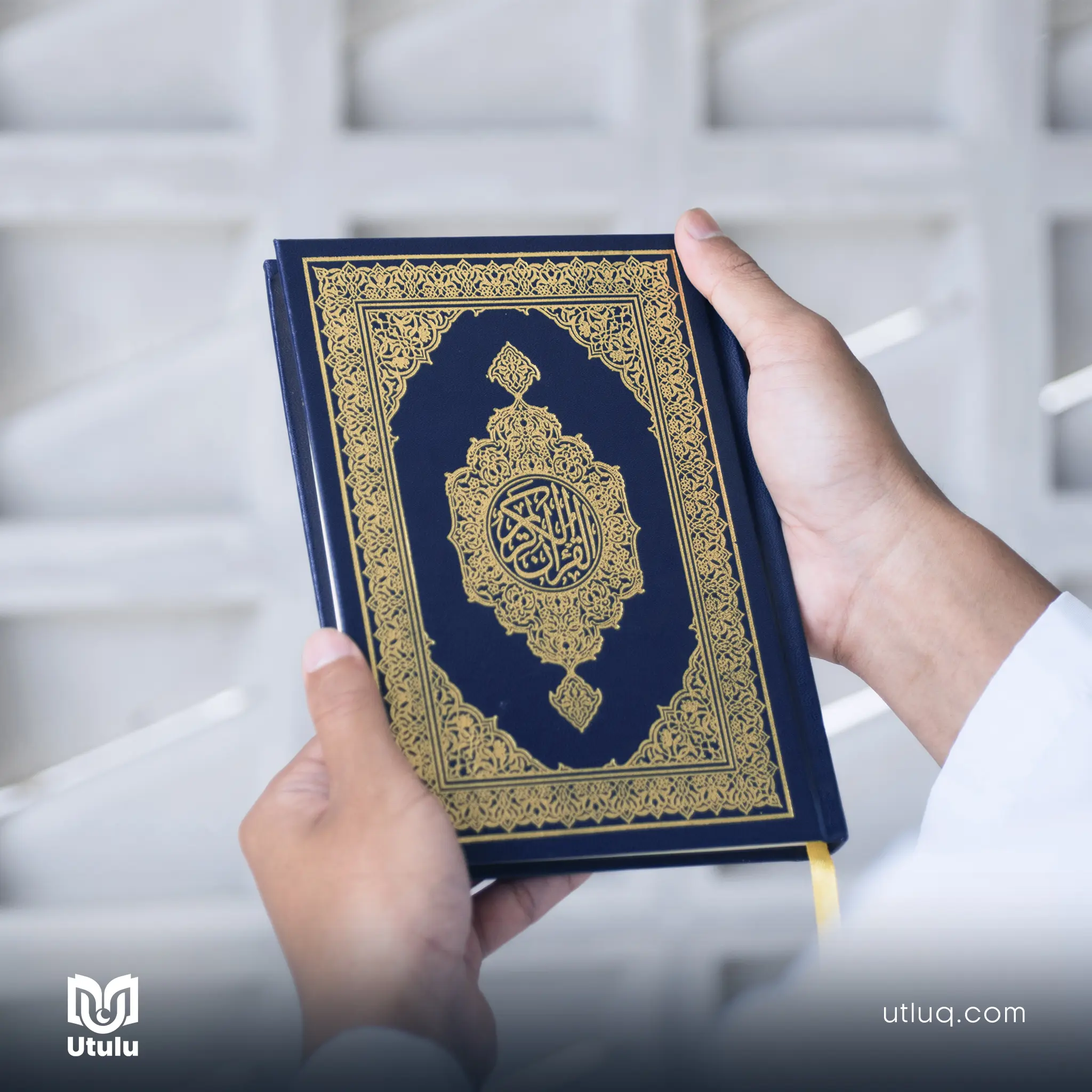
Prayer (Salah) is the second pillar of Islam and is considered the greatest practical act of worship through which a Muslim draws closer to Allah Almighty. However, a large group of people do not know why Muslims pray five times a day? And What is the importance of prayer?
In the following lines, we provide you with answers to all questions related to Salah.
When did prayer become obligatory?
Prayer was first enjoined upon Prophet Muhammad (Sallallahu Alayhi Wasallam) on the Night of Al-Isra w al-Miraj (approximately a year and a half before the Hijrah from Makkah to Madinah).
It was initially fifty prayers, then it was reduced to five prayers while the reward of fifty remains, as a mercy from Allah to His servants.
The Five Daily Prayer Times
The five daily prayers consist of:
- Fajr Prayer – Before sunrise.
- Dhuhr – When the sun passes its zenith (midday).
- Asr – In the mid-afternoon.
- Maghrib – After sunset.
- Isha – At night.
The Prophet detailed the timings of the five daily prayers in several Hadiths, where the Messenger of Allah (Sallallahu Alayhi Wasallam) said: “The time for Dhuhr is when the sun has passed its zenith, the time for Asr is as long as the sun has not turned yellow, the time for Maghrib prayer is as long as the twilight has not disappeared, the time for Isha prayer is until the middle of the night, and the time for Fajr prayer is from the rise of dawn as long as the sun has not risen”.
Why Do Muslims Pray 5 Times a day?
Prayer is an individual obligation (Fard ‘Ayn) on all Muslims, provided they have reached puberty and are of sound mind; it is mandatory for the sane adult who believes in Allah and His Messenger. Additionally, parents are commanded to teach prayer to children from the age of 7, and to discipline them [lightly] at the age of 10 so that they become accustomed to it.
Furthermore, there are divine wisdoms behind the five daily prayers prescribed for Muslims:
- Renewing the connection with Allah
Prayer is a constant reminder of Allah amidst the distractions of life, so that the Muslim remains connected to his Lord throughout the day. Thus, not much time passes without stopping for worship and reflection. Moreover, prayer makes the Muslim feel tranquility and peace of mind.
- Equality and Unity
In the mosque, the rich and the poor, the old and the young, stand in one row, which strengthens the spirit of brotherhood and equality among Muslims.
- Refinement of Behavior
Prayer is not merely physical movements; rather, it is an act of worship that reforms morals, purifies the soul, and refines behavior, according to the words of Allah Almighty:
Indeed, genuine prayer should deter one from indecency and wickedness, “إِنَّ الصَّلَاةَ تَنْهَى عَنِ الْفَحْشَاءِ وَالْمُنْكَرِ”.
(Surah Al-Ankabut: Verse 45)
Conclusion
Muslims pray five times a day because it is an obligation from Allah; the wisdom behind it is to keep the Muslim’s connection with their Lord continuous throughout the day, granting them tranquility, organizing their time, and improving their character. Thus, prayer is not merely an act of worship, but a means to renew faith and feel inner peace every day.